
Intellectual Challenges & Creative Experiments
Meaning is Difficult

Community-Run
Donation-Based
Local to Austin
Our Values

There are things that can only happen between people really being themselves with each other.
Not performing, not managing, not carefully calibrating what they show.
Wholehearted creative collaboration is one of them. Real intellectual encounter is another. The kind of friendship that actually sustains people through difficulty is a third.
Difficult Friends is a community-run grassroots project in Austin. We tackle difficult projects in the arts & humanities together. In taking on these challenges as a group, we hope to develop the following qualities in our members:
(1) creative confidence,
(2) intellectual independence, and
(3) the subtle skills needed to form close friendships.
Interpersonal Philosophy
We think it’s good to be a Difficult Friend.
Friendship itself is difficult to the degree that it is both genuine and built across difference.
You will find our events creatively and intellectually challenging. They will put you in touch with people in ways that are energizing but unfamiliar.
But Difficult Friends are friends worth having.

Cohort-Based
Immersive
Intellectual
Sessions
We run themed short-term and long-term sessions featuring outings, workshops, and discussions connected by a core concept. It’s like a semester-long class, but shorter!
(In the interest of being Difficult, we also reserve the right to host occasional random one-off events just for funsies.)
Our Goal: To continually create fleeting interest-based communities that leave people with friends they shared creative and intellectual life with in meaningful ways.
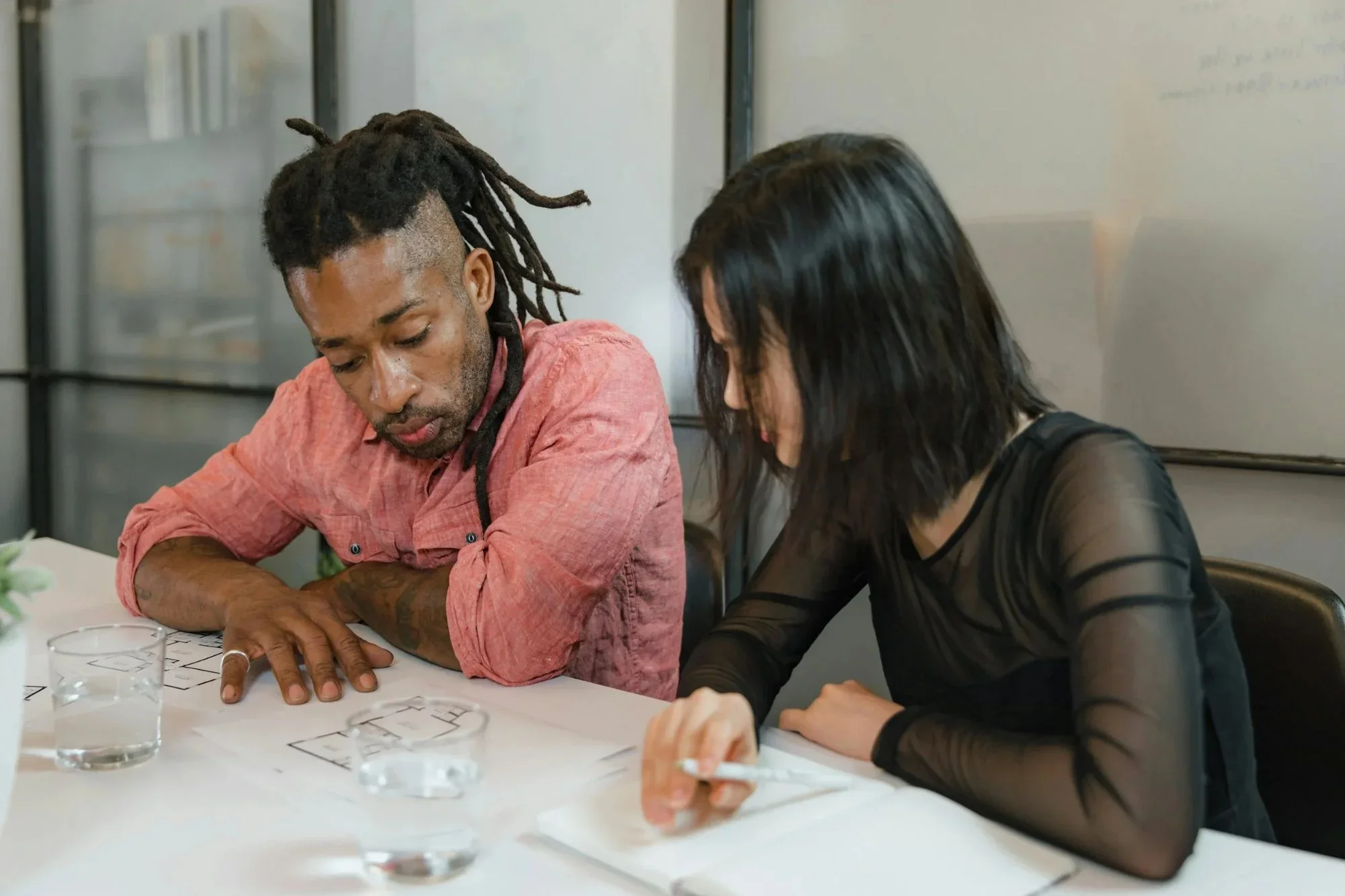
Modular
Events.
Flexible
Structure.
Although our events are connected by a theme, each one also stands on its own.
You’re welcome to come by anytime.
Drop in and drop out.

My Autism Journey:
DF’s Origin Story
In December 2023, I was clinically diagnosed with high-functioning autism (what used to be known as Asperger’s Syndrome). To be honest, the news didn’t come as a shock. Although I’m a Harvard and Yale alum and have done well throughout my life in academic settings, outside of structured, seminar-like environments, I struggled constantly to figure out how to socialize and behave like a normal girl. I always felt like too much or not enough, and often both at once.
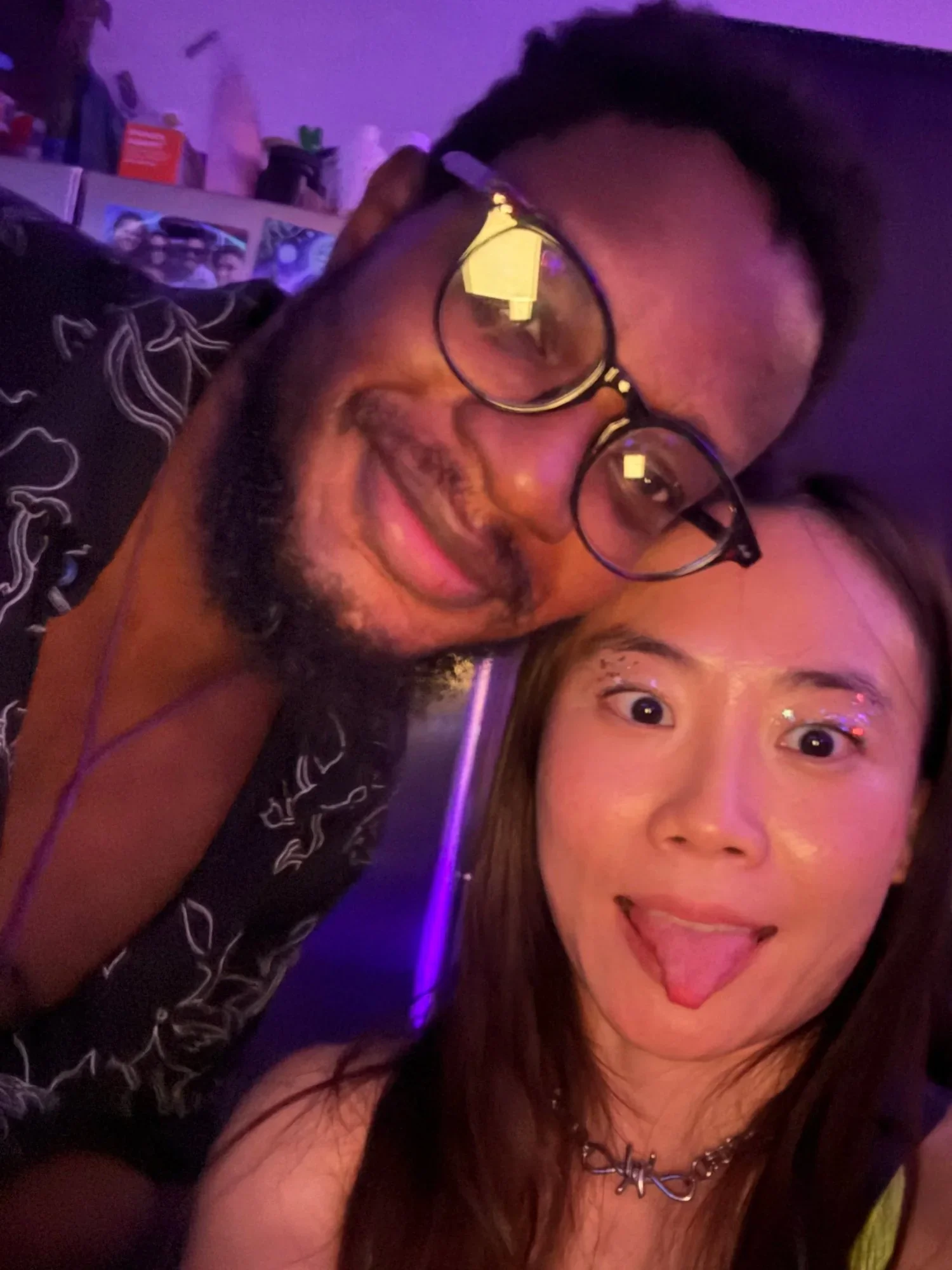
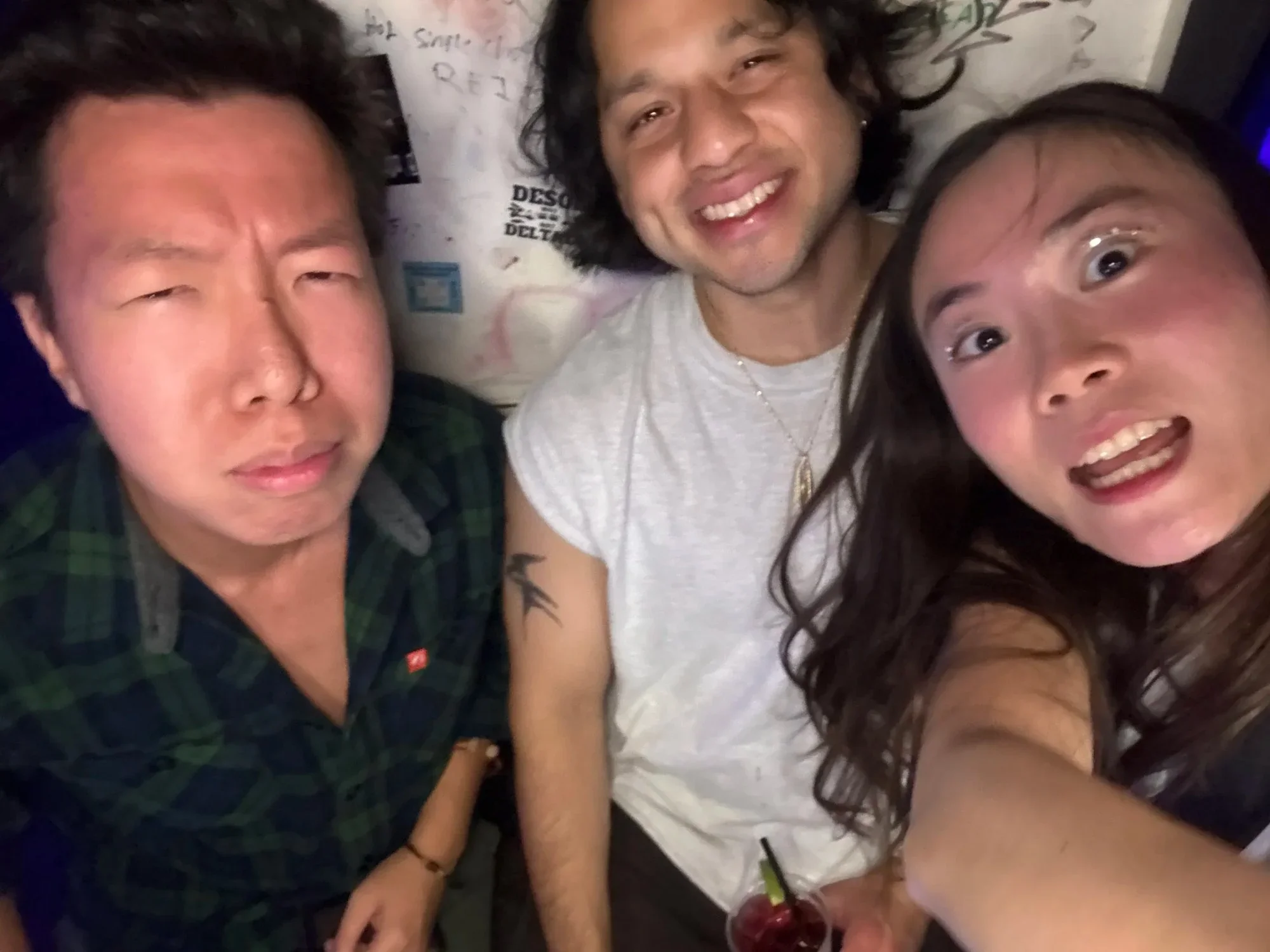
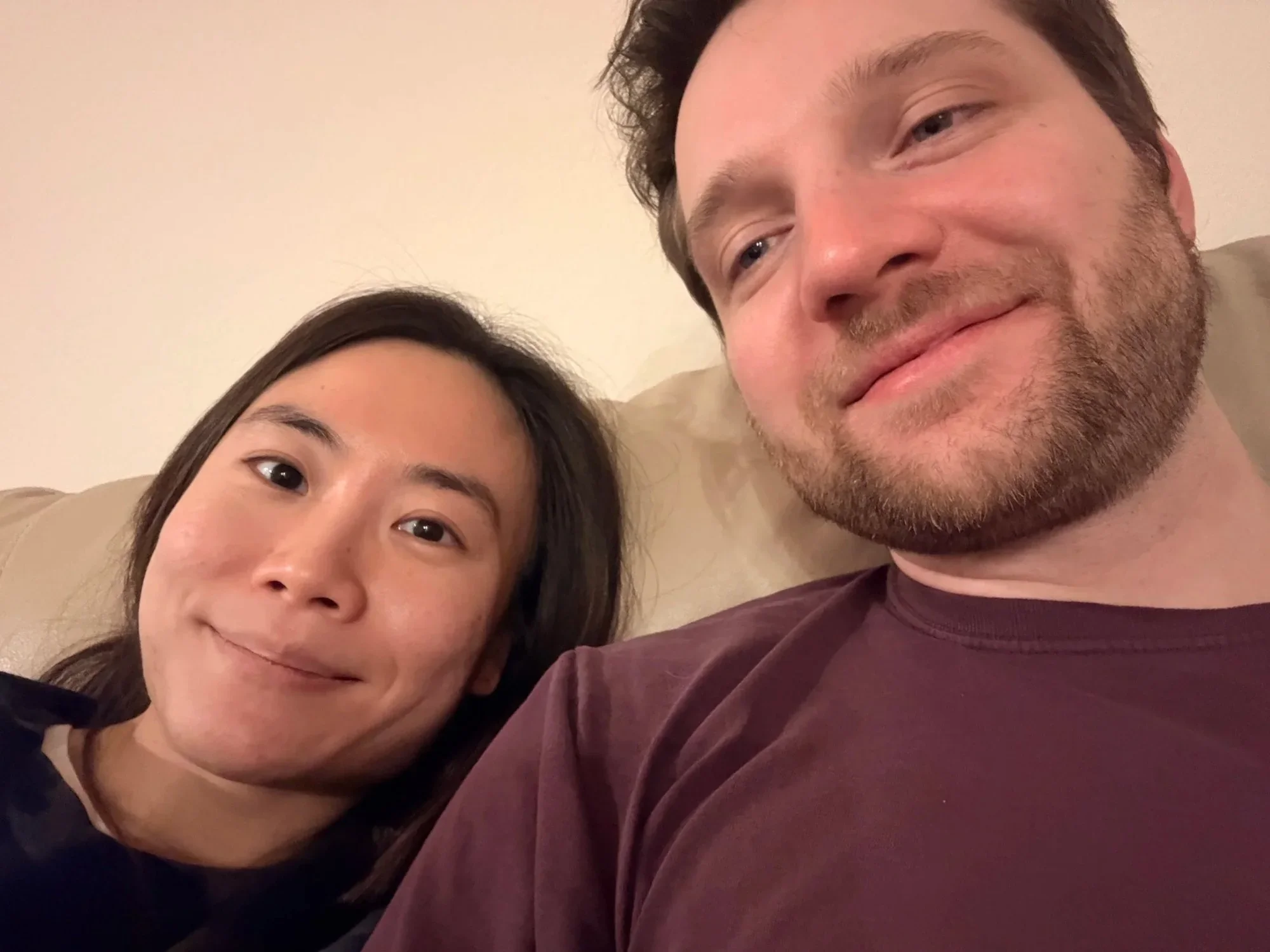
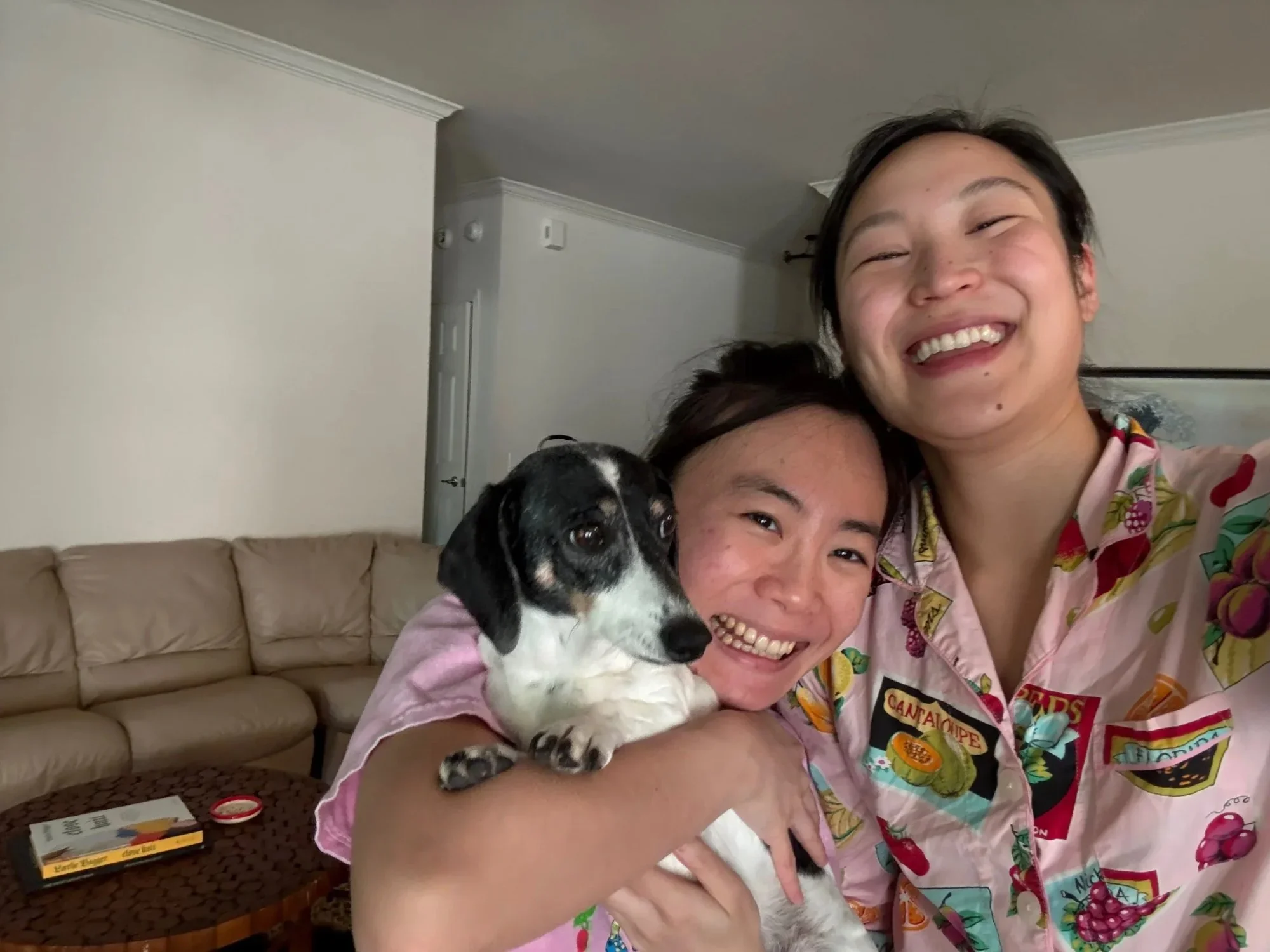
From Difficulty, True Self-Acceptance.
When I was diagnosed with autism, the psychologist told me that I would likely never be able to fit in with others socially. He advised me to let go of the pressure I was putting on myself and said it was okay to go through life having just one or two friends.
Then something amazing happened. I made a lot of friends anyway—and they taught me I could just be me. I didn’t need to fit in to belong to them.
Sharing all of life’s ups-and-downs with these special people, who encouraged me creatively and supported me intellectually when everyone else only saw a person who didn’t quite fit, has made me happier than I can say. My social challenges are far from over. But I’m facing them now with a sense of self-love that I earned bit-by-bit while getting through those years of difficulty.
As Austin has been the place I’ve made the most friends in my life, I’d like to give that back to the Austin community. I hope Difficult Friends can be a place where people learn to embrace who they are, stand up for what they believe in, and make the art they always wanted to make.
All of those things are Difficult. That’s what makes them worth pursuing over our whole lives and with our whole selves.
I’m proud to be a Difficult Friend. I’m excited for you to feel that pride too. xoxo Rachel
Let’s stop trying to fit in.
Let’s make the space we need and deserve instead.
Immigrants
✳︎
People of Color
✳︎
Women
✳︎
Queer People
✳︎
Neurodivergent People
✳︎
Religious Minorities
✳︎
Cultural Outsiders
✳︎
The Working Class
✳︎
People with Disabilities
✳︎
Immigrants ✳︎ People of Color ✳︎ Women ✳︎ Queer People ✳︎ Neurodivergent People ✳︎ Religious Minorities ✳︎ Cultural Outsiders ✳︎ The Working Class ✳︎ People with Disabilities ✳︎
Not-So-Difficult Questions
1
2
4
How do I get started being a Difficult Friend?
Just show up to an event! Although our events are connected by a theme, each one also stands on its own. Drop in and drop out according to what suits your needs. We’ll always be happy to see you. And newcomers are welcome always.
Who belongs in Difficult Friends?
Short Answer: anyone who identifies as Difficult ;-)
Long Answer: We are an inclusive community space, and we particularly seek to protect and welcome our LGBTQIA+, queer, transgender, and nonbinary members. Event attendees may be asked to share their preferred pronouns and will be asked to respect the preferred pronouns shared by other participants.
Women, immigrants, people of color, religious minorities, people with disabilities, and neurodivergent folks seeking a diverse community are also especially encouraged to attend!
That said, no particular identity performance is needed, desired, or expected from our Difficult Friends. Come as you are and know you have a seat at our table, no matter how life has brought you into our community.
3
5
How can I keep growing as a Difficult Friend?
Consider leading a workshop, seminar, or other event!
Difficult Friends is a community-run organization focused on encouraging members' creative confidence and intellectual independence. Towards that end, we value all our members not only as attendees and followers, but also as continually developing community leaders.
Please get in touch with me using the links below if you’re interested in leading an event for Difficult Friends.
How can I get in contact with Difficult Friends?
Feel free to shoot me an email at difficultfriends@gmail.com. Alternatively, for a more casual response, get in touch via Instagram.
Does Difficult Friends take any political stances?
Each member’s political views are their own. However, organizations inevitably take on the characteristics of their leadership, so I hope to be open about the philosophical views that shaped the formation of Difficult Friends.
This organization is heavily influenced by the community organizing theories of Audre Lorde, Maurice Mitchell, Adrienne Maree Brown, The Highlander Folk School, and Black Mountain College. We have also taken some general cues about organizational culture from Adam Grant and Brene Brown.
My own political views lean heavily towards institutionalism and proceduralism. I am a fan of American pragmatist thinkers like William James, Oliver Wendell Holmes, Jr., and John Dewey. I have also read a fair amount of feminist scholarship and queer theory. However, I tend to disfavor identitarianism, sectarianism, and other essentialist philosophies.
For a partial but accurate summary of my views on building up a healthy culture of community discussion and debate, please see Maurice Mitchell’s excellent article, Building Resilient Organizations.
I look forward to discussing these influences with you and am always happy to chat about whether you would find Difficult Friends a comfortable and productive environment :-)
Guiding Principles
"Love takes off the masks that we fear we cannot live without and know we cannot live within. I use the word ‘love’ here not merely in the personal sense but as a state of being, or a state of grace—not in the infantile American sense of being made happy but in the tough and universal sense of quest and daring and growth.”
— James Baldwin
The Fire Next Time
"Each friend represents a world in us, a world possibly not born until they arrive, and it is only by this meeting that a new world is born."
— Anaïs Nin
The Diary of Anaïs Nin
"Where all think alike, no one thinks very much."
— Walter Lippman, The Stakes of Diplomacy